
The Nature of Luck in Gambling
Luck plays a pivotal role in gambling, especially in environments like casinos where chance often governs the outcomes of various games. For instance, when playing slot machines, the spin of the reels is entirely random, thus relying heavily on luck for a win. This randomness can create thrilling moments where players hit substantial jackpots, all thanks to serendipity. Many enthusiasts also explore opportunities like nrl premiership betting , adding another layer of excitement to their gaming experience. However, it is essential to recognize that luck is not a sustainable strategy; it can come and go, leaving players to grapple with the unpredictable nature of chance.
Additionally, many gamblers tend to attribute their wins and losses to luck, often using phrases like “today is my lucky day” or “I can feel the luck coming.” While such beliefs can contribute to a positive mindset and enhance the overall gambling experience, they also risk overshadowing the significance of skill and strategy. Ultimately, while luck is an undeniable factor, relying solely on it could lead to disappointment in the long run.
Moreover, the psychology of luck cannot be underestimated. Studies show that people who perceive themselves as lucky tend to engage in riskier behavior and may take on more significant betting amounts. This perception feeds into a cycle where luck becomes a self-fulfilling prophecy—as players believe luck will favor them, they are more likely to take chances that lead to significant gains or losses. Hence, the complex interplay between luck, mindset, and behavior can significantly affect one’s experiences at a casino.
Skill vs. Luck: The Ongoing Debate
When it comes to casino games, there is a longstanding debate between proponents of skill and those who believe that luck is the predominant factor. Games like poker and blackjack require strategic thinking, mathematical skills, and psychological insight, allowing skilled players to increase their chances of winning. In these instances, while luck may play a role in the short term, the impact of skill becomes more pronounced over time as experienced players consistently achieve better outcomes than novices.
On the other hand, games like roulette and slot machines emphasize randomness and chance, making them less about skill. In these contexts, players might feel that their success hinges solely on luck. This divergence illustrates that while certain games may favor luck, others reward strategic gameplay. Thus, understanding the nature of the game being played can significantly influence one’s approach and expectations at a casino.
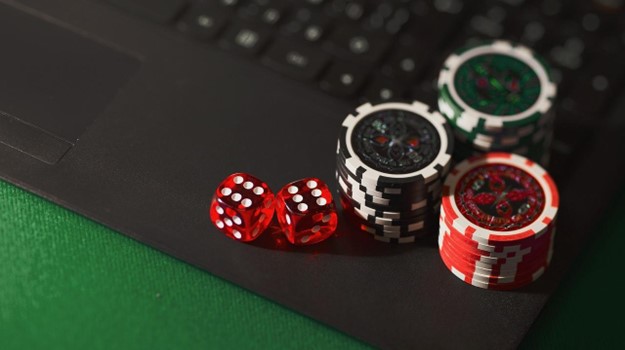
The lesson here is that players can benefit from recognizing the differences between luck-based games and skill-based games. By developing a clear understanding of game mechanics and strategies, players can enhance their chances of success, irrespective of luck’s role. This awareness can cultivate a more balanced approach to gambling, where players appreciate the thrill of luck while appreciating the importance of skill when appropriate.
The Role of Casino House Edge
It’s crucial to understand that every casino game operates with a house edge, which is the mathematical advantage that the casino has over the player. This house edge ensures that, over time, the casino will always retain a percentage of the bets placed, regardless of the luck involved in individual games. For instance, games like baccarat and blackjack have a lower house edge compared to games like keno or slots. This difference illustrates how luck works within the broader context of probability and statistical advantage.
The house edge highlights another dimension of how luck interacts with success at a casino. A player may experience a streak of wins, driven by luck; however, consistent play will eventually reveal the statistical advantage the house holds. This reality serves as a reminder that while players can enjoy winning moments fueled by luck, they must also be prepared for the inevitable losses that come with the house edge. Understanding this concept can help players manage their bankroll and make informed betting choices.
Additionally, players often fail to recognize that luck can be short-lived. A win may stimulate a gambler’s confidence, leading them to increase their bets, while the realities of the house edge gradually erode their winnings. Consequently, while luck can impact individual sessions, consistent success requires a more comprehensive understanding of the games, effective bankroll management, and an awareness of the odds involved, demonstrating that luck alone cannot sustain long-term success.
The Psychological Impact of Luck in Gambling
The psychological aspect of luck in gambling can lead to significant behavioral changes among players. Many individuals develop superstitions or rituals they believe will bring them good luck, such as wearing specific clothing or using lucky tokens. These behaviors illustrate how deeply intertwined the concept of luck is with the gambling experience. Players may feel more empowered when they believe in their lucky charms, which can influence their betting behavior and decisions during gameplay.
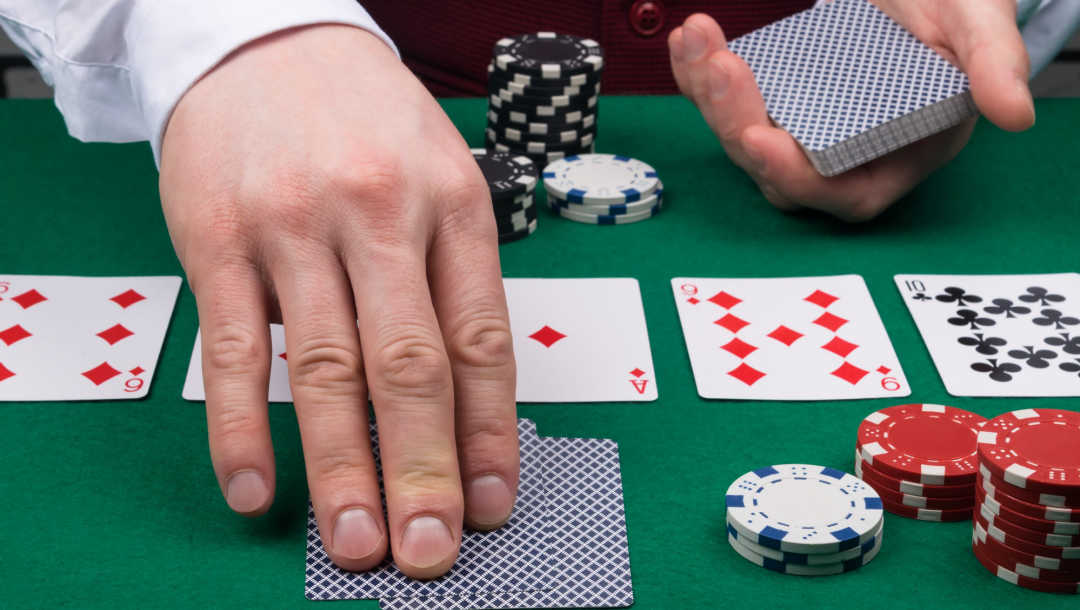
Moreover, the phenomenon of “confirmation bias” plays a significant role in gambling psychology. Players who experience a string of good fortune may recall and emphasize those wins while ignoring their losses, reinforcing the belief that luck is on their side. This selective memory can lead to overconfidence, causing players to wager larger amounts or take unnecessary risks without recognizing the potential negative outcomes.
The psychological effects of luck extend beyond individual gambling sessions. For some players, the thrill of potentially winning can create an addictive cycle that fuels their desire to return to the casino. As they chase the high of winning, they may find themselves entangled in a financial web, driven by the belief that luck will return. Understanding these psychological factors is crucial in promoting responsible gambling practices, ensuring that players enjoy the entertainment aspect while mitigating the risks associated with gambling addiction.
Exploring Resources for Responsible Gambling
For those interested in understanding the intricate balance between luck and skill in gambling, numerous resources are available to help players make informed decisions. Online platforms often provide educational materials that cover various games, detailing strategies and tips tailored to individual player skills. These resources can demystify the gambling process, allowing players to approach their choices with greater awareness and confidence.
Moreover, responsible gambling initiatives emphasize the importance of setting limits and understanding personal behavior when engaging in casino activities. Many casinos offer self-exclusion programs and provide tools for tracking playtime and spending, helping players maintain control over their gambling habits. By utilizing these resources, players can navigate the casino landscape more safely and effectively.
Ultimately, recognizing the role of luck, while also valuing the importance of strategy and self-awareness, creates a well-rounded approach to gambling. As individuals learn about the games they play and the psychology behind their choices, they can enhance their overall experience while minimizing the potential pitfalls associated with reliance on luck alone.